Certification
How to read a gemstone certificate
From the report number and the 4Cs to the laser inscription: how to read each section of a diamond or Moissanite certificate, and four steps to verify it matches the stone.
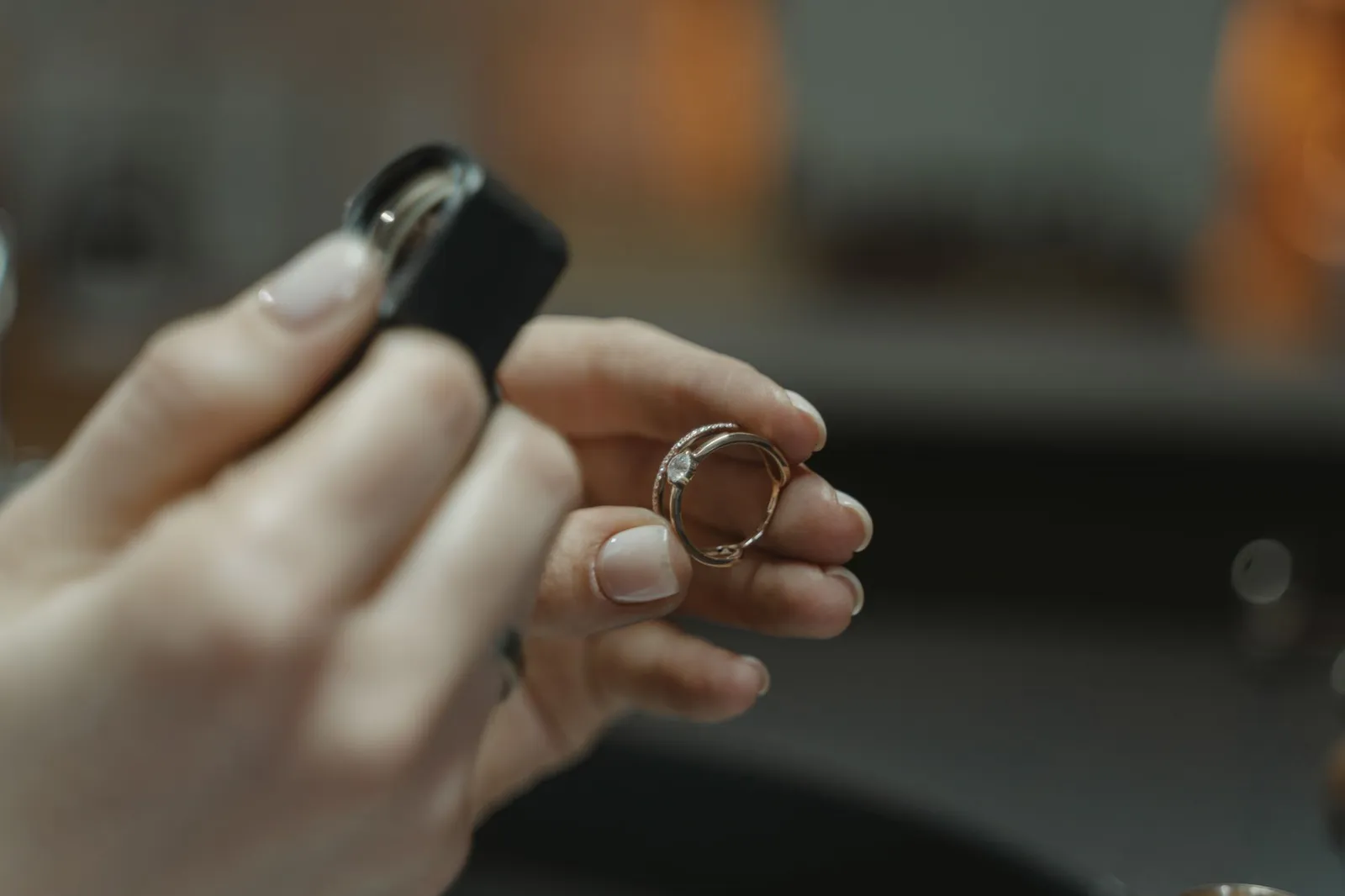
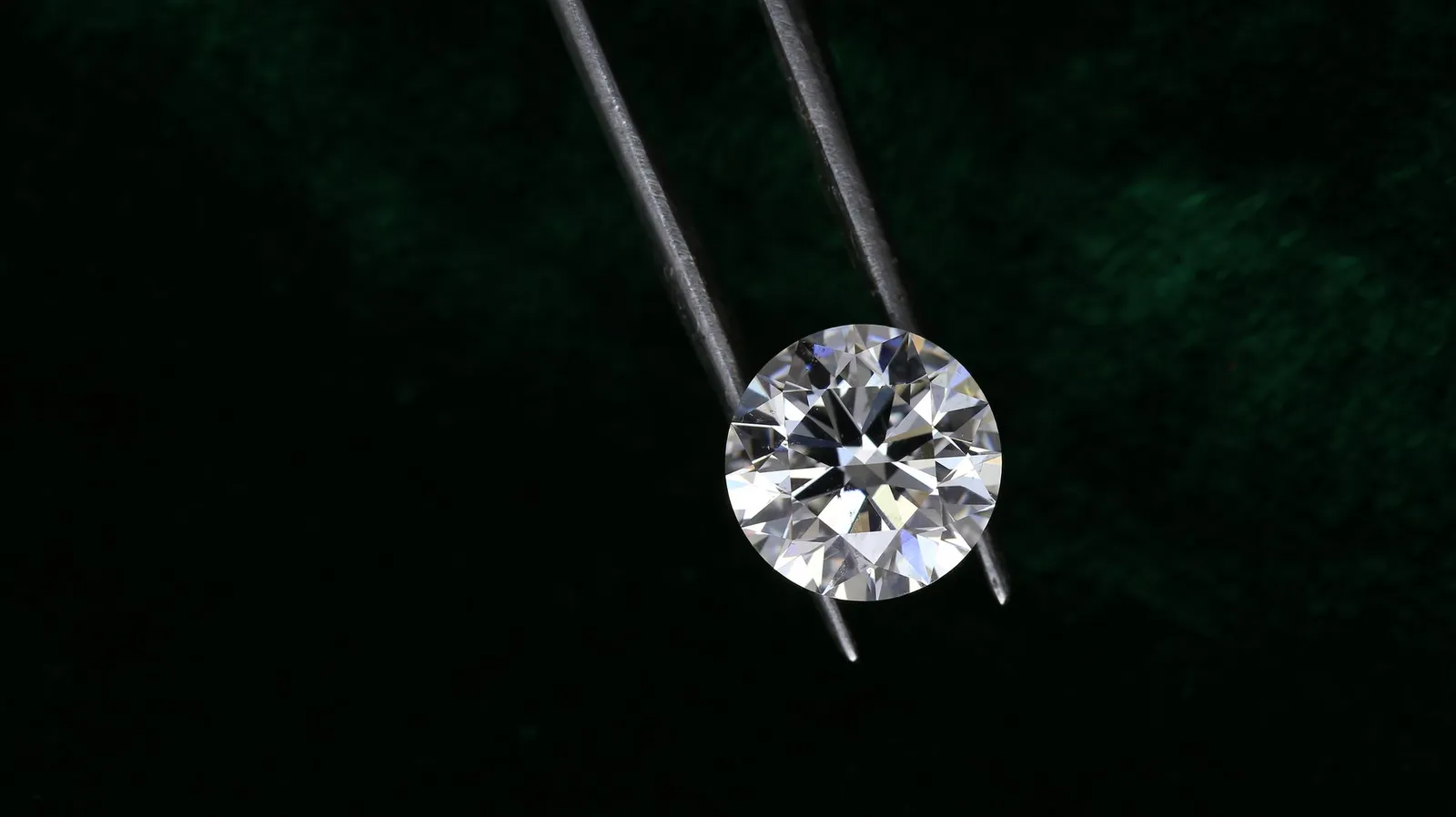
A certificate turns a sales description into information you can check. But the paper is only worth something if the person holding it can read it: which sections matter, what each figure means, and how to be sure the document belongs to the very stone set in the piece. This guide goes through each section in the order you usually find it on a report.
What a certificate is — and is not
A certificate (grading report) describes the characteristics of one specific gemstone, prepared by a laboratory independent of the seller at the time the stone was examined.
It also helps to know what a certificate is not:
- Not an appraisal. A report describes quality; it states no price.
- Not a warranty. Warranty terms are a separate commitment from the seller.
- Not a statement about the whole piece. The report covers the gemstone; karat and gold weight are shown by the stamp on the piece and on the invoice.
The laboratories you will meet
- GIA (Gemological Institute of America): the institute that created the 4Cs and the D-to-Z color scale; regarded as the reference for natural diamonds.
- IGI (International Gemological Institute): a global laboratory, currently the most common for Lab Diamonds, and it grades natural diamonds too.
- GRA: the card and specification report that usually accompanies Moissanite.
Two laboratories may grade the same stone one step apart, so when comparing two stones it is best to compare reports from the same laboratory.
Reading a diamond report, section by section
1. Report number and date
Every report has a unique number. It is the most important entry because it allows an online lookup: enter the number on the laboratory’s website and the system returns the original record to compare with the paper in your hand.
- GIA: Report Check
- IGI: Verify Your Report
2. Gemstone type and origin
The report title tells you whether this is a natural or a laboratory-grown diamond. For a Lab Diamond the report states “Laboratory-Grown Diamond”. Read this line first, because the two cannot be told apart by eye.
3. Shape and cutting style
“Round Brilliant”, for example, is the round cut with 57–58 facets; others include Oval, Emerald, Princess, Pear and Cushion. This entry describes the outline and says nothing yet about cut quality.
4. Measurements
Given in millimeters. For a round stone: “minimum diameter – maximum diameter × depth”, for example 6.42 – 6.45 × 3.98 mm. These figures let you measure and compare against the actual stone.
In Vietnam, diamonds are often named by “ly”, meaning millimeters of diameter: “4 ly 5” is 4.5 mm (about 0.35 carats), “5 ly 4” is 5.4 mm (about 0.6 carats), “6 ly 3” is 6.3 mm (close to 1 carat).
5. Carat weight
1 carat = 0.2 grams = 100 points. A 0.50-carat stone is also called a “50-pointer”.
Carat measures weight, not size: two 1-carat stones can differ in width depending on how they are proportioned. Also distinguish the weight of one stone from the total weight of all the stones in a piece.
6. Color
The GIA scale runs from D to Z and measures the absence of color:
- D – E – F: colorless.
- G – H – I – J: near colorless; the tint is very hard to see once the stone is set.
- K – L – M: faint yellow, starting to be visible to the eye.
- N to Z: very light to light yellow.
A one-grade difference is usually only visible with two stones side by side on a white background. The gold color matters too: a yellow or rose gold setting reflects warmth into the stone, so the very top color grade is not always necessary.
7. Clarity
An assessment of internal inclusions and surface blemishes under 10× magnification, in 11 grades:
- FL, IF: flawless, or internally flawless.
- VVS1, VVS2: very, very slight inclusions — hard even for a specialist to find at 10×.
- VS1, VS2: very slight inclusions — visible at 10×, not to the naked eye.
- SI1, SI2: slight inclusions — easy to see at 10×, sometimes visible to the eye.
- I1, I2, I3: inclusions visible to the naked eye that may affect brilliance and durability.
The idea worth remembering is “eye-clean”: stones graded VS and above, and many SI1 stones, show no inclusions in normal viewing.
8. Cut, polish and symmetry
This group decides how bright the stone is, and it is the one most often overlooked.
- Cut: GIA’s scale runs Excellent, Very Good, Good, Fair, Poor. GIA’s overall cut grade applies to standard round brilliants; IGI adds an Ideal grade at the top.
- Polish: the surface quality of the facets.
- Symmetry: how even and well aligned the facets are.
A D-color, high-clarity stone that is poorly cut will look duller than a well-cut G. If one factor must come first for sparkle, make it cut.
9. Fluorescence
Describes how the diamond reacts under ultraviolet light, usually a blue glow: None, Faint, Medium, Strong, Very Strong. Fluorescence is not a flaw. For most stones it has no effect on appearance in normal conditions; only a small number of very strongly fluorescent stones can look slightly hazy in sunlight.
10. Laser inscription
Many stones carry the report number laser-inscribed on the girdle, in lettering so small it can only be read with a loupe. This is the thread that ties the paper to the right stone. On a Lab Diamond the inscription usually includes “LABGROWN”.
11. Comments
The small print is easy to skip but carries important information: any treatment after formation, and characteristics not shown on the diagram. On a Lab Diamond report, this is where the growth method (CVD or HPHT) and any indication of post-growth treatment are stated.
12. Proportions diagram and clarity plot
- Proportions diagram: a profile of the stone with figures such as table, depth, crown angle, pavilion angle and girdle thickness. These underpin the cut grade.
- Clarity plot: a map of where the inclusions are and what type they are — the stone’s fingerprint. Compact reports for smaller stones, such as the GIA Diamond Dossier, omit the plot but always come with a laser inscription.
How a Lab Diamond report differs
The structure is almost the same as a natural diamond report, with three additions:
- The title and description state Laboratory-Grown.
- The comments give the growth method and post-growth treatment status.
- The girdle inscription includes LABGROWN.
One recent change is worth knowing: since October 1, 2025, GIA no longer grades Lab Diamonds on the natural-diamond color and clarity scales. Instead it places the stone in one of two descriptive categories, Premium or Standard. IGI continues to grade Lab Diamonds on the full 4Cs scale. So two documents from the two laboratories for the same kind of Lab Diamond can look very different — a difference in presentation, not in the stone.
How to understand a Moissanite report
Moissanite usually comes with a card or specification report, commonly GRA, listing a number, shape, measurements, weight, color and clarity on a scale borrowed from diamonds.
The point to get right: Moissanite has no single international grading standard comparable to the 4Cs system GIA built for diamonds. Therefore:
- Read a Moissanite report as confirmation of the gemstone type and its specifications, not as the equivalent of a diamond grading report.
- The entries most worth checking are the gemstone type, the millimeter measurements and the girdle inscription, if there is one.
- That the stone is Moissanite can be confirmed quickly with a multi-tester in the showroom.
What about pieces set with many small stones?
In fully paved designs, one piece may carry dozens or hundreds of small stones. In the trade, small stones — typically under about 0.2 carats — rarely have individual reports, because grading would cost more than the stone itself. The usual practice is:
- The center stone has its own report.
- Accent stones are recorded by gemstone type, count, size and total weight on the product’s specification sheet.
When buying a heavily set piece, ask clearly: which stone does the certificate cover, and where are the specifications of the others recorded?
Four steps to verify
- Look up the number on the laboratory’s website. The online record must match the paper.
- Read the inscription on the girdle with a loupe and compare it with the report number.
- Measure the stone and compare with the measurements on the report.
- Match the gemstone type on the report with the result of a tester.
These four steps take a few minutes, and any seller confident in its product will gladly do them with you.
Signs worth a second question
- The number cannot be found, or returns the record of a different stone.
- The measurements or weight on paper do not match the actual stone.
- The document does not state whether the stone is natural, laboratory-grown or Moissanite.
- The document speaks only of “the product” in general, with no specifications for any stone.
- The seller is reluctant to show the inscription or to test the stone in front of you.
Four misreadings
- “It has a certificate, so the stone is good.” A report only describes. An I1, Fair-cut stone still gets a complete report.
- “Color and clarity are all that matter.” Cut is what decides sparkle.
- “More carats means a bigger stone.” Carat is weight; look at the millimeter measurements too.
- “All certificates are equal.” A report’s value as a reference depends on who issued it and what kind of gemstone it grades.
At T Gold
Every T Gold piece states its karat, gold weight, gemstone type and gemstone specifications, with certification according to the gemstone. When you collect your piece, a specialist can look up the number with you, show you the inscription and explain every line of the report — so you know exactly what you wear.
Read more about the three gemstones in Moissanite, Lab Diamond or natural diamond?, or see the summary on the Materials & certification page.